
Creating the Perfect Homeschool Learning Environment at Home
Introduction Homeschooling offers families the flexibility to create a learning experience tailored to a child's unique needs, interests, and pace. However, suc
Aalgorix World Academy
Introduction
Homeschooling offers families the flexibility to create a learning experience tailored to a child's unique needs, interests, and pace. However, successful homeschooling is not just about choosing the right curriculum—it's also about creating an environment that inspires learning, creativity, and focus. A well-designed homeschool learning space can significantly improve productivity, engagement, and academic outcomes.In this guide, we'll explore practical strategies to help parents create the perfect homeschool learning environment at home.
Why the Learning Environment Matters
Children spend a significant amount of time learning, exploring, and developing new skills. The environment in which they learn directly impacts their concentration, motivation, and overall educational experience.A thoughtfully designed homeschool environment can:
Improve focus and reduce distractions
Encourage independent learning
Support creativity and critical thinking
Increase motivation and engagement
Create a positive attitude toward education
The goal is not to build a classroom at home but to create a space where learning feels natural, comfortable, and enjoyable.
Designate a Dedicated Learning Space
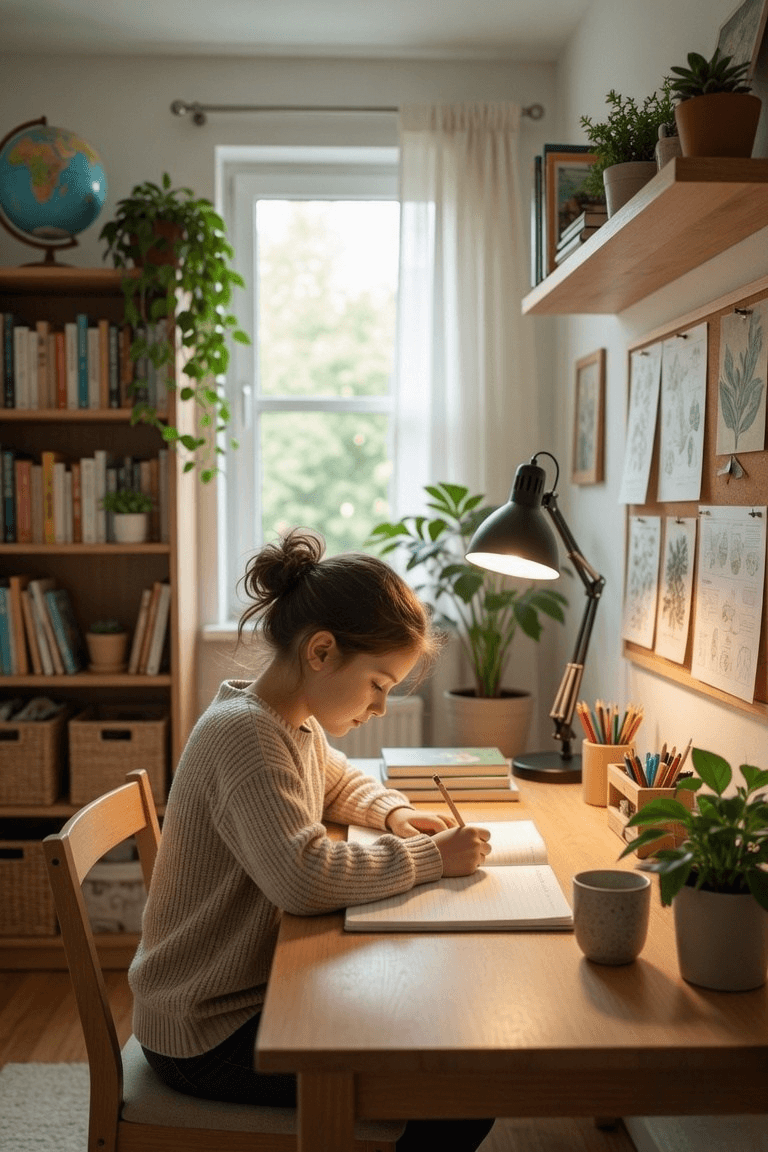
One of the first steps in creating an effective homeschool environment is establishing a dedicated learning area.This space doesn't need to be an entire room. It can be:
A quiet corner in the living room
A study area in a bedroom
A dedicated homeschool room
A flexible workspace shared by multiple children
Consistency helps children associate the area with learning and productivity.
Tips:
Choose a well-lit location.
Ensure comfortable seating and proper desk height.
Keep frequently used learning materials within easy reach.
Minimize noise and unnecessary distractions.
Prioritize Organization
An organized learning environment reduces stress and helps students stay focused.Consider using:
Bookshelves for textbooks and reading materials
Storage bins for supplies
Labelled folders for assignments
Digital tools for managing schedules and resources
When children know where everything belongs, they spend less time searching and more time learning.
Incorporate Technology Wisely
Technology has become a valuable component of modern homeschooling.Educational technology can provide:
Interactive lessons
Virtual science labs
Educational videos
Online assessments
AI-powered tutoring support
Parents should balance screen-based learning with hands-on activities, reading, outdoor experiences, and creative projects.Technology should enhance learning—not replace meaningful educational experiences.
Create a Personalized Learning Atmosphere
One of homeschooling's greatest advantages is personalization.Allow children to contribute to their learning environment by:
Displaying their artwork
Creating achievement boards
Adding educational posters
Choosing organizational systems they enjoy
A personalized space helps children feel ownership over their education and encourages active participation.
Encourage Reading and Exploration
A reading-friendly environment can foster curiosity and lifelong learning habits.Create a small reading corner with:
Age-appropriate books
Comfortable seating
Good lighting
Educational magazines and reference materials
Reading areas encourage independent learning and help children develop strong literacy skills.
Make Room for Creativity
Learning extends beyond textbooks.Include opportunities for:
Art projects
STEM activities
Building and design challenges
Music practice
Hands-on experiments
Creative activities develop problem-solving skills, innovation, and confidence while making learning more engaging.
Establish a Consistent Routine
A structured routine provides stability and helps children develop discipline.A homeschool schedule may include:
Morning learning sessions
Reading time
Creative activities
Physical exercise
Independent study
Family discussions
While flexibility is one of homeschooling's strengths, maintaining a predictable routine helps children stay focused and productive.
Include Movement and Physical Activity
Children learn better when they remain physically active.Incorporate:
Stretch breaks
Outdoor play
Sports activities
Nature walks
Exercise sessions
Regular movement improves concentration, reduces stress, and supports overall well-being.
Foster a Positive Learning Mindset
The emotional atmosphere of the home is just as important as the physical environment.Parents can support a positive mindset by:
Celebrating achievements
Encouraging questions
Allowing mistakes as part of learning
Promoting curiosity and exploration
Providing constructive feedback
When children feel supported and confident, they become more engaged and enthusiastic learners.
Embrace Modern Learning Tools
The future of homeschooling is increasingly personalized through technology and artificial intelligence.Modern AI-powered learning companions can:
Provide personalized learning support
Adapt to individual learning styles
Offer instant feedback
Help students practice concepts independently
Support parents with learning insights and progress tracking
These tools enable families to create highly customized educational experiences while maintaining the flexibility that makes homeschooling so effective.
Conclusion
Creating the perfect homeschool learning environment is not about building a traditional classroom at home. It's about designing a space that supports your child's unique learning journey. By combining organization, personalization, structure, creativity, and modern educational tools, parents can create an environment where children thrive academically and personally.As homeschooling continues to grow in popularity, families who invest in creating a positive and engaging learning environment will be better positioned to help their children develop the skills, confidence, and curiosity needed to succeed in the future.